You may notice a little pink in the sink when you brush or feel that your gums are a bit tender. These small signs can be easy to ignore, but they might point to the early stages of gum disease. Getting advice from a dedicated dental team is often a good idea.
Reversing gum disease depends on the stage of the condition. Early gum disease can often be reversed with professional care and good home habits.At more progressed stages, the focus shifts to managing the condition and preventing further issues.
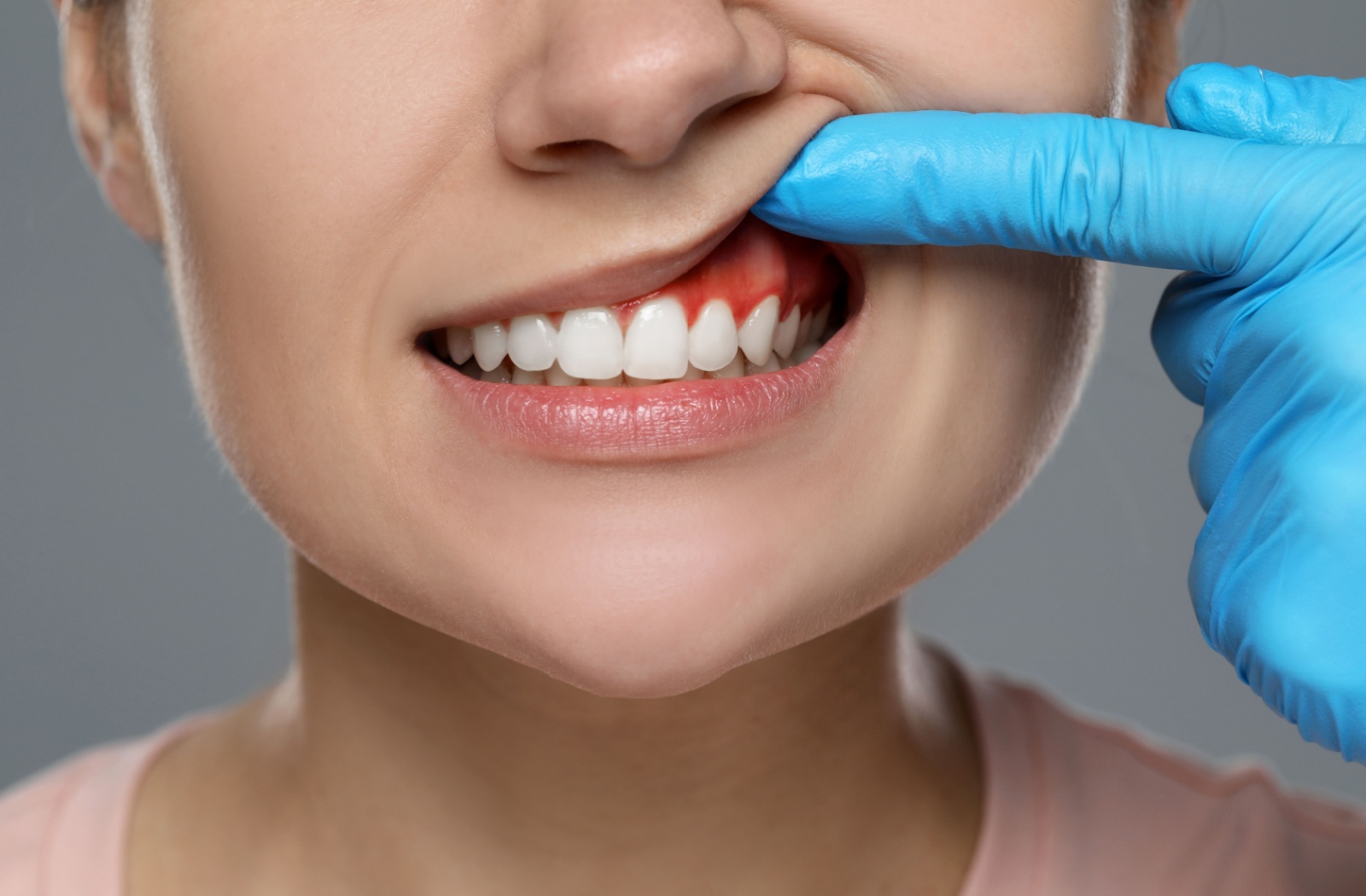
What Is Gum Disease?
Gum disease develops in 2 main stages. Knowing the difference between them is helpful, as one is reversible while the other requires management. Each stage affects your gums and teeth differently.
Gingivitis: The Early Stage
This is the first stage of gum disease, and it's quite common. You might notice some puffiness, redness, or tenderness in your gums. The good news is that gingivitis is often reversible with professional care and a solid home routine.
Periodontitis: The Advanced Stage
If gingivitis is left unaddressed, it can progress to periodontitis. This is a more serious condition that affects the bone supporting your teeth. While damage from periodontitis can't be fully reversed, its progression can be stopped with treatment from your dentist.
Common Signs & Symptoms of Gum Disease
It's important to recognize the early signs of gum disease so you can address them quickly. If you notice any of these symptoms, it might be time to schedule a dental visit. Spotting issues between your regular dental exams can make a significant difference.
- Gums that bleed when you brush or floss
- Red, swollen, or tender gums
- Persistent bad breath
- Gums that have pulled away from your teeth
- Loose or sensitive teeth
- Changes in the way your teeth fit together when you bite
How You Can Reverse Early Gum Disease
When caught early, there are steps you can take to try to reverse gingivitis and help your gums return to a healthy state. This process is a team effort between you and your dental professional. Consistency is key to seeing positive results.
Professional Dental Cleanings
A professional dental cleaning is the first step to remove the plaque and tartar that cause gum irritation. Your dentist may have specific tools to clean areas you can't reach at home. This helps create a clean slate for your gums to heal.
Your At-Home Care Routine
Consistent brushing and flossing are your main defence against plaque buildup. Following proper at-home care techniques removes plaque before it has a chance to harden into tartar. This simple habit is powerful in maintaining healthy gums.
The Possibility of Gum Tissue Reversal
Once gum tissue is lost, it usually doesn't grow back on its own. However, after successful treatment for gingivitis, your gums can heal.
Manage Advanced Gum Disease
For periodontitis, the goal shifts from reversal to managing the chronic condition. Treatments focus on stopping the progression of the disease. This helps you prevent further damage to your gums and the bone that supports your teeth.
Deep Cleanings: Scale & Root Planing
This procedure, also known as scaling and root planing, goes deeper than a standard cleaning to address tartar buildup below the gumline. It involves cleaning the roots of your teeth, which smooths them out and helps your gums heal. This is a common step in managing periodontitis.
Surgical & Non-Surgical Options
Depending on the situation, your dentist might suggest other treatments. These options are designed to help reduce the deep pockets that form between your teeth and gums. This makes the areas easier for you to keep clean.
How Often Should You See a Dentist for Gum Disease?
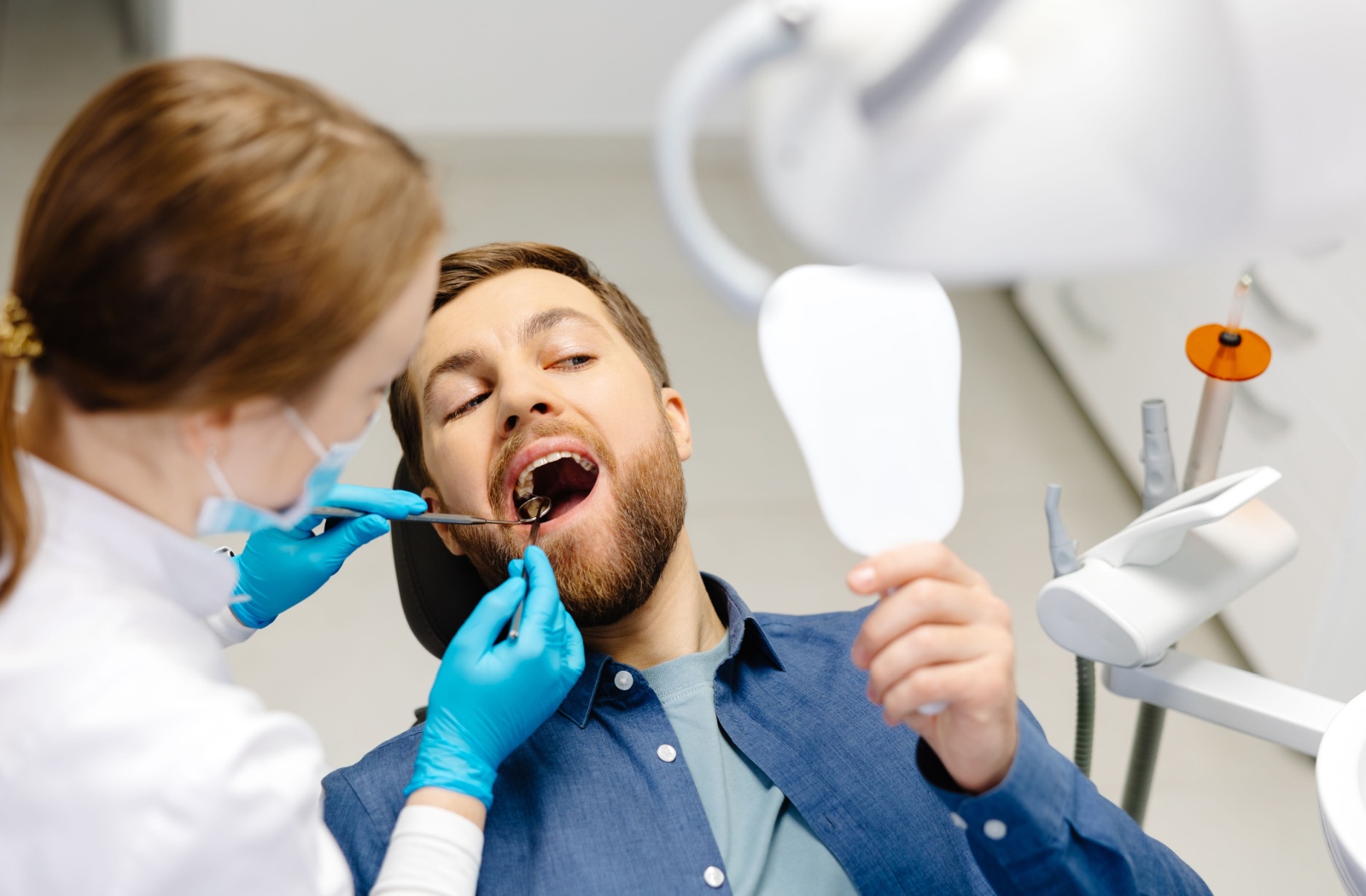
If you have periodontitis, you'll likely need more frequent dental visits. Your dentist will recommend a schedule, often every 3–4 months. These appointments help monitor your gum health and include maintenance cleanings.
The Connection Between Gum Health & Your Body
Most dental professionals agree that your oral health is linked to your overall health. Taking care of your mouth is an important part of taking care of your whole body.
Headaches and Gum Disease
While gum disease itself is not a cause of headaches, the inflammation it causes can sometimes contribute to discomfort elsewhere in the body. While not a direct cause for everyone, some people may find a connection between their dental health and other issues. Addressing the inflammation can sometimes provide relief.
Special Care During Pregnancy
Hormonal changes during pregnancy can make your gums more sensitive and prone to inflammation. This condition is often called pregnancy gingivitis. It's a good idea to maintain regular dental check-ups to keep your gums healthy during this time.
Visit Us for Trusted Dental Care
Maintaining healthy gums is a lifelong commitment, but it doesn't have to be complicated. By working with your dental team, you can create a plan that fits your needs. Early detection and consistent care are the foundations of good oral health.
At de Man & Höediono Dentistry, we have experience helping people manage their gum health. Our team is here to provide educational support and personalized care. If you have questions or want to schedule a visit with a dentist in Kitchener, Ontario, contact our office. We’d love to talk with you about the health of your gums.